How the Internet Changed the Music Industry Forever
The music industry has experienced one of the most dramatic transformations of any business sector over the past several decades. Before the rise of the internet, discovering new music depended heavily on radio stations, record stores, MTV, magazines, and major record labels. Artists often needed significant financial backing and industry connections just to get their music heard by a wider audience.
Today, the internet has completely changed the way music is created, distributed, promoted, and consumed. Independent artists now have opportunities that simply did not exist during the 1980s and 1990s. At the same time, listeners have access to more music than ever before with just a few clicks.
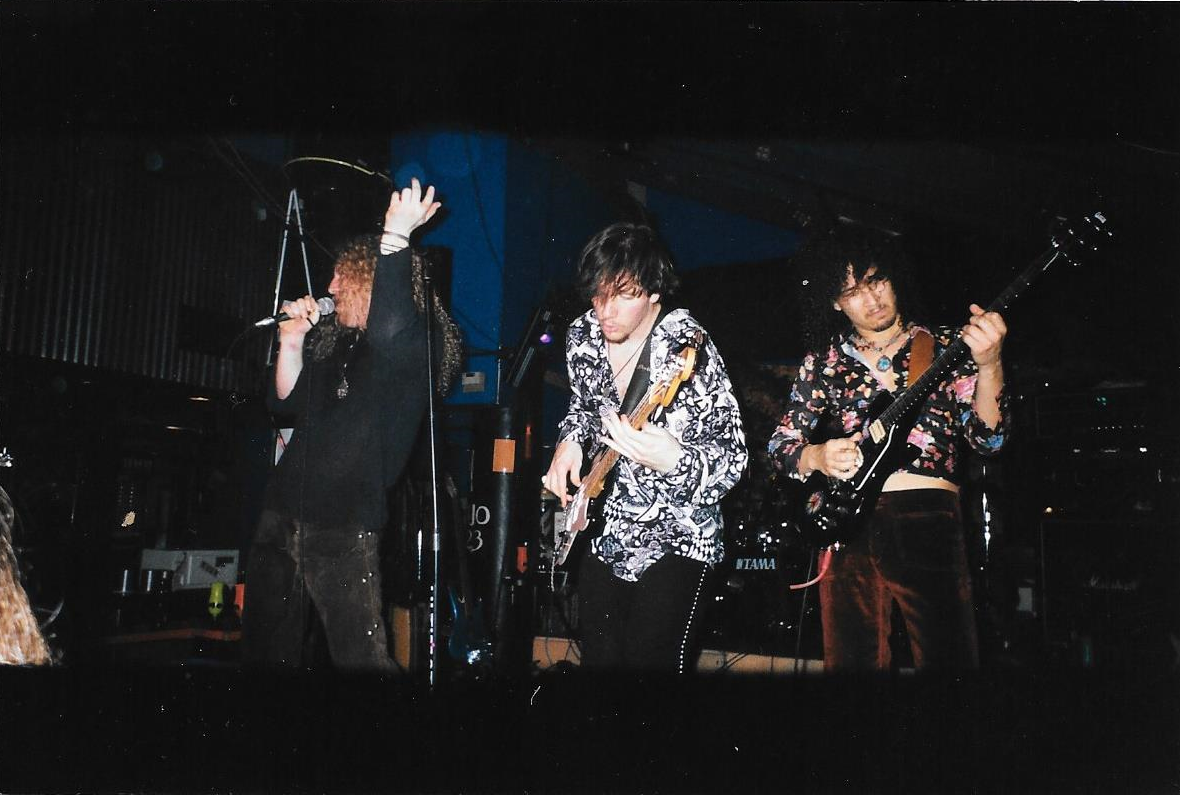
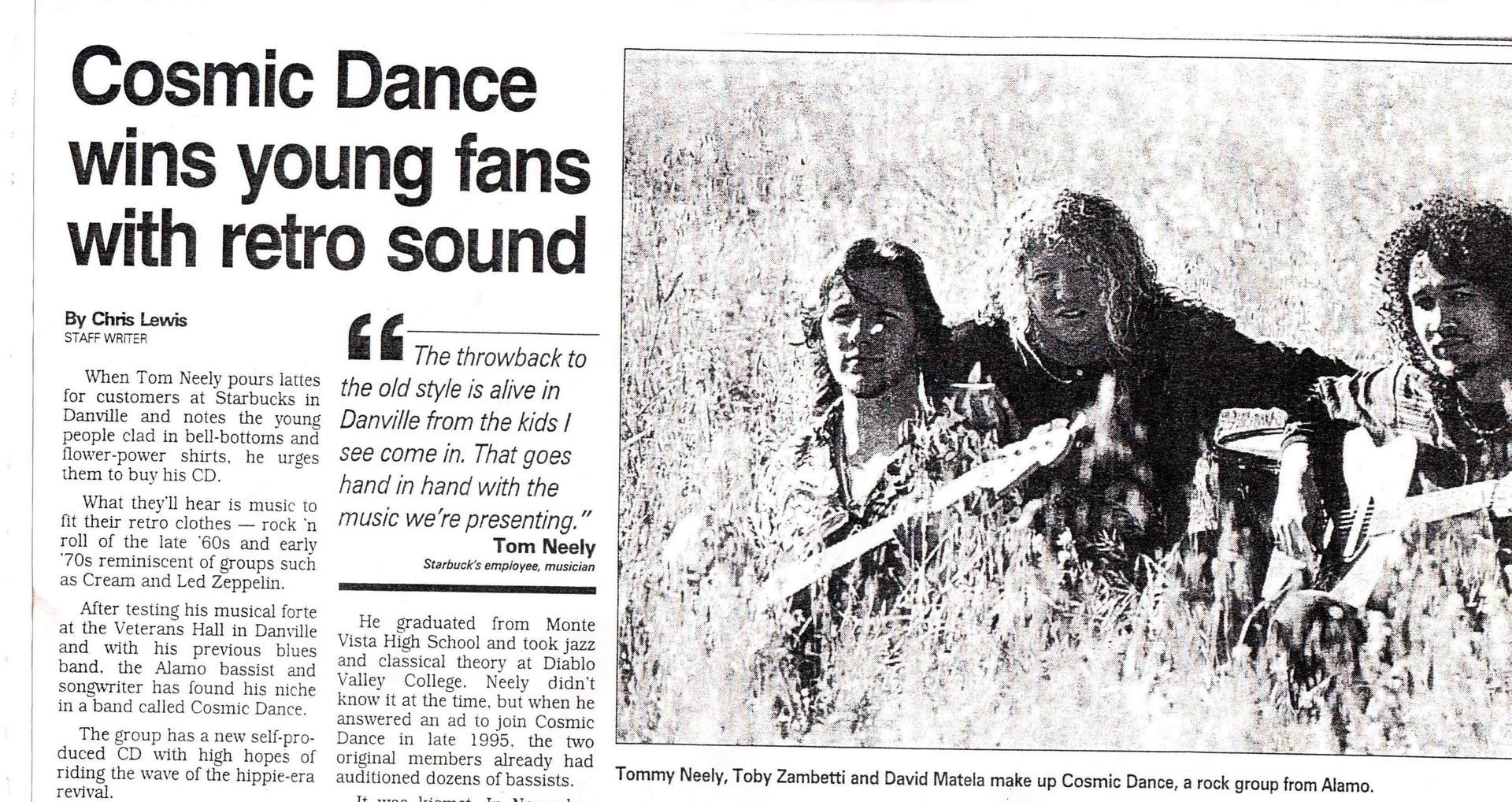
For bands like Cosmic Dance, the internet has created new ways for classic and independent music to continue reaching audiences long after the original live performances and recording sessions took place.
The Rise of Digital Music
One of the biggest turning points in the music industry came with the transition from physical media to digital music. In previous decades, fans purchased vinyl records, cassette tapes, and CDs at music stores. Artists depended heavily on album sales and physical distribution networks controlled by record companies.
The internet introduced MP3 files, online downloads, and eventually streaming platforms that made music instantly accessible worldwide. Consumers no longer needed to visit a store to discover or purchase music. Instead, entire music libraries became available online through platforms such as:
- Spotify
- YouTube
- Apple Music
- Pandora
- Amazon Music
This shift dramatically changed listener behavior and transformed how artists generate revenue.
Independent Artists Gained More Control
Before the internet era, major record labels acted as gatekeepers. They controlled studio budgets, marketing campaigns, radio promotion, and distribution. Many talented bands never reached mainstream audiences because they lacked label support.
The internet leveled the playing field.
Today, artists can record music at home, upload songs directly to streaming platforms, build social media followings, and market themselves independently. Websites, YouTube channels, and streaming services allow musicians to connect directly with fans without relying entirely on traditional industry structures.
For independent and regional bands, this has been especially important. Music that may have once been limited to local clubs or small fan bases can now reach listeners across the country and around the world.
Social Media Changed Music Promotion
The rise of social media has also transformed artist promotion. In the past, bands relied on posters, flyers, radio interviews, music magazines, and live performances to build an audience. While those methods still matter, platforms like Facebook, Instagram, TikTok, and YouTube now allow artists to communicate directly with fans in real time.
A single viral video or shared song can introduce an artist to millions of listeners overnight.
Social media also allows musicians to tell their stories, share behind-the-scenes content, promote concerts, and keep fans engaged between releases. This direct connection helps build loyal audiences and long-term communities around music.
Streaming Changed Revenue Models
While the internet created more exposure opportunities, it also dramatically changed how artists earn money. Physical album sales once generated substantial revenue for musicians and record labels. Streaming platforms now dominate music consumption, but streaming payouts are often much smaller per play.
As a result, many artists rely more heavily on:
- Live performances
- Merchandise sales
- Licensing music for film and television
- Crowdfunding and fan subscriptions
- Direct-to-fan marketing
This has forced musicians to become not only artists, but also entrepreneurs and marketers.
Music Discovery Became Global
Another major change brought by the internet is the globalization of music discovery. Fans are no longer limited to whatever local radio stations choose to play. Algorithms, playlists, search engines, and streaming recommendations now expose listeners to artists from every genre and every part of the world.
Classic rock, independent music, underground bands, and forgotten recordings can all find new life online decades after they were originally created.
For bands from the 1990s San Francisco Bay Area music scene like Cosmic Dance, the internet provides an opportunity to preserve and share music history with entirely new generations of listeners.
Final Thoughts
The internet permanently changed the music industry in both exciting and challenging ways. It disrupted traditional business models, gave artists more independence, and created unlimited access to music for fans worldwide.
Most importantly, it allowed music to live far beyond its original release. Songs recorded decades ago can still inspire listeners today through streaming platforms, websites, videos, and online communities.
For independent musicians and classic bands alike, the