The San Francisco Bay Area Music Scene in the 1990s
The San Francisco Bay Area has long been a magnet for musical innovation, rebellion, and reinvention. By the time the 1990s arrived, the region already held a legendary place in music history, largely due to the psychedelic explosion of the 1960s and the legacy of bands like the Grateful Dead, Jefferson Airplane, and Janis Joplin. But the 1990s were a different beast entirely, more fragmented, more diverse, and arguably more fiercely independent. As the country underwent a cultural shift marked by the grunge movement in the Pacific Northwest and the rise of alternative rock, San Francisco found itself at a crossroads between its storied past and a new, electrifying future. The decade was a complex blend of nostalgia and experimentation, where classic rock roots still held power but new sounds were forging their own identity. And it was in this transitional moment that bands like Cosmic Dance found their footing, carrying forward the torch of vintage rock values while refusing to compromise their independent spirit.
The Shadow of the Dead and the End of an Era
When Jerry Garcia passed away in 1995, it was more than the loss of a beloved guitarist—it was the symbolic end of an era. The Grateful Dead had been the spiritual centerpiece of the Bay Area’s rock scene for decades, shaping not only the music but the entire ethos of what it meant to be a Northern California band. The Dead's influence extended well into the 90s, even as younger generations sought new sounds. Garcia’s death created a cultural vacuum and an emotional reckoning for musicians and fans alike. For many, it marked the close of a long, strange trip and raised the question: what comes next? Some chose to follow offshoots and side projects like RatDog or Phil Lesh and Friends. Others went in a different direction entirely, channeling the spirit of improvisation and experimentation into alternative rock, punk, funk, jam bands, and electronica. In this way, Garcia’s passing did not extinguish the scene—it scattered the embers across the region, where they sparked new fires.
The Rise of the Independent Ethos
The 1990s saw an explosion of DIY culture across the country, and the Bay Area was no exception. Independent record labels, zines, and alternative radio stations flourished. The corporate music industry was still very much alive, but for many musicians in San Francisco and surrounding cities, the appeal of doing things independently—writing, recording, and distributing music on their own terms—was too powerful to ignore. It was a time when bands recorded albums in basements and garages, and shows were held in warehouses, co-ops, and community spaces. The goal wasn’t just fame—it was authenticity. Music was made with intention, for the love of the art, and often with the hope of building a small but loyal local following.
Venues like the Great American Music Hall, Slim's, Bottom of the Hill, and The Fillmore were more than places to perform—they were proving grounds. These clubs hosted acts across genres, from indie and punk to blues, folk, and jazz, reflecting the cultural patchwork of the Bay Area itself. Bands like Primus, Faith No More, and Third Eye Blind rose to prominence during this period, bringing with them unconventional sounds that defied easy classification. Meanwhile, lesser-known acts sustained the underground scene, keeping live music vibrant and unpredictable night after night.
The Soundtrack of the Streets
The Bay Area’s diversity was always its strength, and in the 1990s, that diversity permeated every layer of the music scene. From the politically charged punk bands in Berkeley and Oakland to the funk and soul revivalists in San Francisco proper, the region was bursting with different styles and subcultures. Hip-hop was also beginning to take hold, with artists like E-40, Mac Dre, and Too Short crafting a distinctly Bay Area sound from the other side of the musical spectrum. But for many musicians still in love with melody, groove, and rock’s golden age, there was a hunger to return to fundamentals. That’s where bands like Cosmic Dance came in—reimagining classic rock for a new generation, rejecting studio trickery in favor of raw live recording, and placing the emphasis squarely on musicianship. Unlike some of their peers chasing a grunge aesthetic, Cosmic Dance remained committed to vintage gear, analog recording, and tight ensemble playing. Their music didn’t try to recreate the past—it carried the past forward, adapting the textures of the '60s and '70s to the ethos of 1990s independence.
Community Over Commerce
One of the defining characteristics of the Bay Area music scene in the 1990s was its sense of community. Whether it was sharing gear, opening for each other’s bands, or collaborating on side projects, artists were united by a sense of mutual support. There was no clear path to success, and that was liberating. Collectives formed around record labels like Alternative Tentacles, Lookout! Records and smaller independent imprints that helped local artists press vinyl, book shows, and gain regional traction. Radio stations like KUSF and KALX gave airtime to underground acts and offered a platform for bands who would never get mainstream attention. Flyers were hand-drawn, Xeroxed, and taped to street poles. Zines were passed around at shows, filled with album reviews, concert photos, and interviews that captured the raw energy of the moment. It was all physical, tangible, real. Even in the face of rising rents and early signs of gentrification, the underground held firm. Musicians created their own ecosystem, and for a time, it thrived.
The Cosmic Dance Philosophy
Cosmic Dance wasn’t just a band—it was a philosophy. Their music represented a kind of resistance to the digital trends that were starting to infiltrate the music world. While other bands were turning to Pro Tools and cutting-edge production, Cosmic Dance turned backward—to tube amps, ribbon mics, and real tape. Their sound was lush and warm, filled with layered guitars, real drum tones, and powerful vocals that called to mind the best of the rock tradition. But what set them apart wasn’t just the sound—it was the spirit. They weren’t interested in labels or radio hits. They were focused on the song, the moment, the feeling. They played clubs across the Bay Area, from intimate sets in North Beach bars to full-volume performances in Oakland warehouses. And everywhere they went, they left a mark—not just because of the music, but because of the intent behind it.
The Scene Begins to Shift
As the 90s came to a close, the music scene began to change. The dot-com boom was on the horizon, and with it came rising rents, venue closures, and a wave of new residents less interested in gritty underground shows. Longtime rehearsal spaces were bulldozed, artists were priced out, and the once-thriving community began to splinter. Yet even in the face of this change, the influence of the 1990s persisted. Bands that had formed in those small clubs and DIY spaces went on to bigger stages. Others faded quietly into memory, leaving behind demo tapes, gig posters, and the stories passed between fans who were there. For Cosmic Dance, the end of the decade didn’t mean the end of the road. Their music still resonates, a reminder of a time when everything felt possible, and the only rule was to be real.
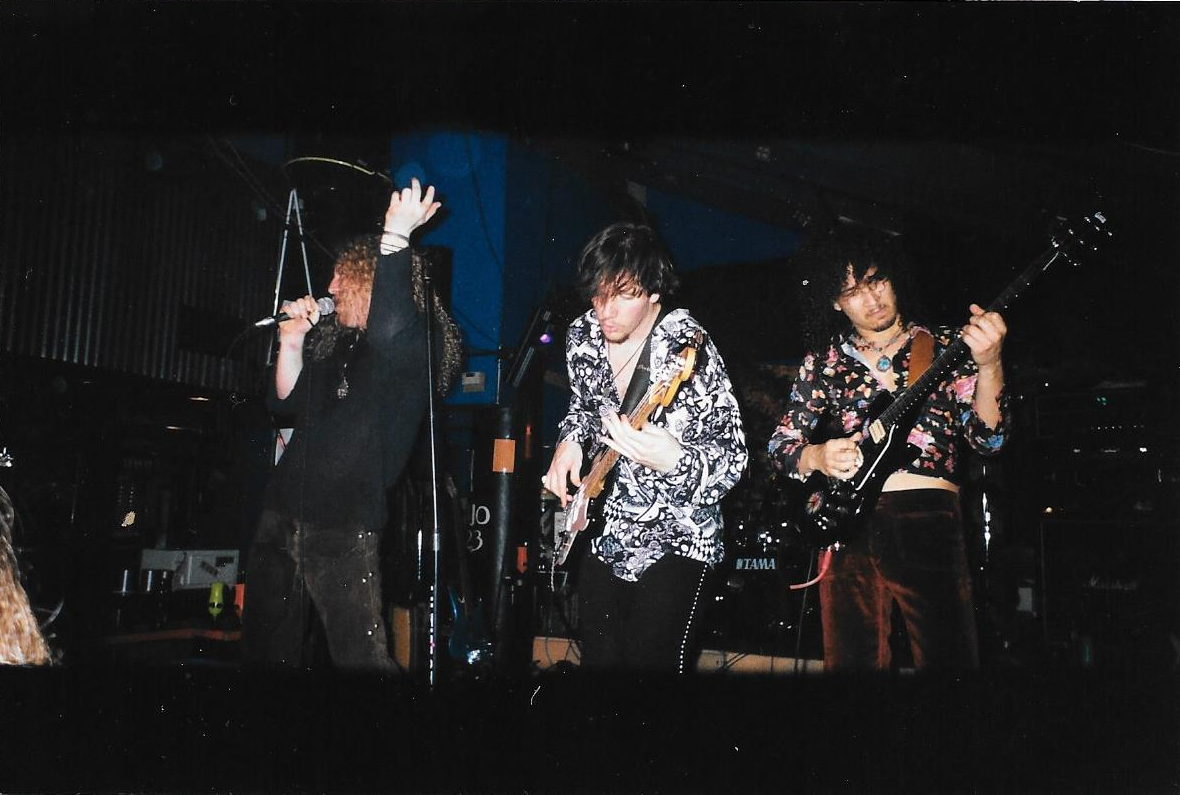
There is a certain magic that only happens when a band steps onto a stage. The lights warm up, the crowd starts buzzing, and the first chord rings out into the air. For anyone who lived through or loves the 1990s San Francisco Bay Area music scene, live shows were not just performances, they were an unpredictable blend of creativity, chaos, and pure adrenaline. And if you were in a classic rock band like Cosmic Dance, you learned quickly that anything can happen once you plug in and start playing. Live music has this raw, unfiltered energy that recorded tracks can never fully capture. Part of that comes from the audience, but part of it comes from the unexpected events that unfold in real time. Over the years, musicians gather stories that they could not make up if they tried. Here are some of the crazy, funny, chaotic, and completely unforgettable things that tend to happen when you are playing live on stage. 1. The Equipment Gremlins Always Show Up Every band that has ever stepped onto a stage knows about the mysterious “equipment gremlins.” These invisible creatures only come out during live shows, and their sole mission is to sabotage your gear right when you need it most. You can do a perfect soundcheck. Every cable works. Every pedal lights up. The amps sound clean. And then, three songs into the set, you hit your solo, and silence. No guitar. No distortion. Just you staring down at your pedalboard in disbelief. In the 90s Bay Area scene, this was practically a rite of passage. A grounding wire would buzz out, a tube amp would suddenly decide it was done for the night, or a cable would mysteriously lose its will to live. The audience does not see the panic behind the scenes, but the band definitely feels it. And yet, these moments became part of the charm. Musicians learned to think on their feet, improvise, or even finish a song completely unplugged. Sometimes the crowd loved the raw, stripped down vibe even more, proof that authenticity always wins. 2. Fans Will Get on Stage, Always If you play enough shows, eventually a fan, or several, will end up on stage even when they are absolutely not supposed to. Maybe it is someone who has had one too many beers and thinks they are auditioning. Maybe it is a friend who suddenly believes they are part of the band. Or maybe it is just pure enthusiasm breaking through all social boundaries. Back in the 90s, small clubs across San Francisco, San Jose, and Berkeley had minimal security and a whole lot of energy. Fans would jump on stage, grab the mic, start dancing, or try to sing along. The best moments were the ones where the band just rolled with it and turned it into a shared experience. The worst moments, well, those became stories you retold for years. Either way, the crowd loved it, and honestly, so did we. 3. You Learn What “Improvisation” Really Means Live music is unpredictable, and sometimes things go off script. Maybe the drummer drops a stick. Maybe the bassist comes in a beat late. Maybe the singer forgets the lyrics to a song they have performed a hundred times. The real mark of a great live band, especially in classic rock, is how smoothly you cover it up. In the Bay Area’s 90s clubs, improvisation was not just a skill, it was survival. Some of the best moments from Cosmic Dance’s performances came from accidental transitions, unexpected jam sessions, or on the spot solos that had not been planned. What started as a cover up became magic that the audience remembered. And from the stage, there is nothing more thrilling than catching eyes with your bandmates, silently agreeing, “Let’s go with it,” and seeing where the music takes you. 4. The Crowd Always Brings the Chaos A live audience has its own personality, and every show feels different because of them. Some crowds sit back and vibe. Others scream every lyric. And some, especially in the classic rock circuit, bring a level of chaos that turns a regular gig into a legendary story. Beer spills, dancing that borders on dangerous, mosh pits in places where there should never be mosh pits, and people shouting requests that your band definitely does not know. The best is when someone yells out a song from an entirely different genre, “Play some Metallica,” at a classic rock show. Crowd energy feeds the band. Some of the most powerful live moments come when the audience sings back louder than the amps. It does not matter how small or how big the venue is, those moments stick with you. 5. The Unexpected Can Create the Best Memories Some of the craziest things that happen on stage end up being your favorite stories. A string breaking mid song and forcing a creative workaround. A power outage turning the show into an acoustic jam by candlelight. A fan bringing a random prop that somehow becomes part of the performance. In the 90s Bay Area music world, these were the stories that musicians shared backstage, in rehearsal studios, or over late night meals at diners after a gig. These moments shaped the scene and made every performance unique. And Cosmic Dance experienced plenty of these surprises. Some were chaotic, some hilarious, some frustrating in the moment, but every one of them added to the band’s legacy. 6. The Show Must Go On, and It Always Does No matter what happens, broken gear, forgotten lyrics, random fans on stage, lights cutting out, the show keeps moving. That is the essence of live rock. It is imperfect, unpredictable, and incredibly real. In an era before auto tune, backing tracks, and polished studio edits, the stage was where musicians proved their grit. Those nights were loud. They were messy. They were unforgettable. And for a band like Cosmic Dance, they were the moments that shaped the music, the sound, and the connection with fans. The crazy things that happened on stage became part of what made the experience authentic, and what keeps classic rock fans coming back decade after decade.
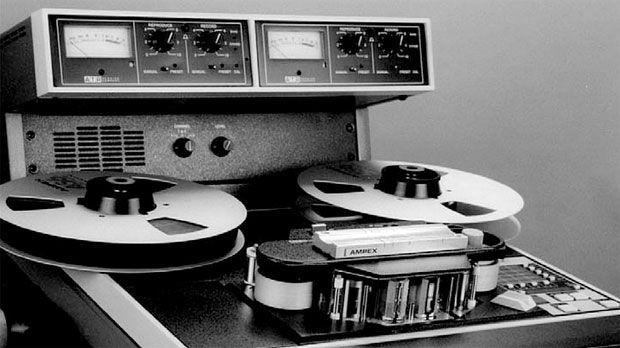
And Why Cosmic Dance Still Believes in the Power of Analog Sound The rise of digital technology promised to revolutionize the music industry, and in many ways, it has. Music is more accessible than ever; artists can distribute their work worldwide without a record label, and fans can explore nearly every genre ever recorded with a tap or click. But behind the surface of convenience and instant access lies a deeper issue. As technology advanced, something vital was lost — the soul of the music, the warmth of its recording, and the sense of connection that once defined the artist-fan relationship. For bands like Cosmic Dance, who came up in the San Francisco Bay Area during the 1990s, the shift toward digital was not progress; it was erosion. We watched a once-authentic industry become compressed, auto-tuned, and optimized for algorithmic performance rather than emotional impact. And that’s why we’ve chosen to stick to our roots, preserving the analog recording techniques that shaped the golden age of rock. Here’s why we believe the music industry has changed for the worse — and why the analog methods of the past still matter. From Craft to Clicks: The Rise of Quantity Over Quality Before the digital era, recording an album was a labor of love. It required time, focus, and teamwork. Musicians rehearsed for weeks before stepping into the studio, and when they did, they had one goal: to capture a moment. Engineers adjusted mic placement for hours, dialing in tones, room sound, and tape saturation. Mixing consoles and tape machines created a rich, warm sound that had depth and dimension. There was no undo button, no copy and paste. You had to play the song right. Today, recording has become a fragmented, often solitary process. Tracks are recorded at home on laptops, instruments are layered one at a time, and software is used to fix pitch, timing, and dynamics. While this allows more people to create music, it has also created a glut of content that lacks character and soul. Songs are pumped out to feed playlists and social media trends, rather than to stand the test of time. The Death of the Album One of the most unfortunate casualties of technology is the album itself. In the era of vinyl and cassette, artists told stories across an entire record. Each song had its place, its purpose. Albums had arcs: a beginning, a climax, a resolution. Listeners would sit with headphones and experience music as a journey. Today, streaming platforms reward short attention spans and isolated singles. Algorithms dictate which songs are pushed to the top, often based on how quickly a hook comes in or how well the track performs in the first 30 seconds. As a result, albums have been devalued. Deep cuts, long intros, and emotional slow-burners are pushed aside in favor of instant gratification. For Cosmic Dance, the album remains sacred. We record, sequence, and mix our records with intention. We want listeners to feel like they’re dropping a needle on a record, not skipping through a playlist designed by a machine. Auto-Tune and the Loss of Imperfection Another major shift has been the widespread use of auto-tune, pitch correction, and digital editing. While these tools can be useful, their overuse has stripped music of its humanity. The unique quirks of a singer’s voice, the subtle sway of a drummer’s timing, or the way a guitarist bends a note off pitch for emotional effect are the elements that make music feel alive. In the digital age, imperfection is erased. But it’s in the imperfections that the magic lives. When Cosmic Dance records, we embrace these flaws. We record to tape, use vintage mics and analog compressors, and keep our takes raw and real. We believe that when you hear a voice crack or a guitar buzz, you’re hearing the truth. And truth, not polish, is what connects listeners to music on a deep emotional level. Music as Product, Not Art Technology has also turned music into a product rather than an art form. With social media, streaming stats, and viral trends dominating the industry, artists are now pressured to brand themselves, generate content, and chase relevance. Success is measured by views, likes, and playlist placements not by the emotional impact of a song or the power of a live performance. The creative process has become a content strategy. Instead of writing from the heart, many artists write for the feed. Cosmic Dance rejects this model. We make music because we love the process, the people, and the moment when a melody gives someone chills. We’re not chasing metrics, we’re chasing meaning. Why Analog Still Matters There’s a reason vinyl is making a comeback. Listeners are waking up to the fact that something got lost along the way. Analog recordings have a warmth, depth, and presence that digital recordings often lack. They breathe. They feel human. Our commitment to vintage gear isn’t just about nostalgia. It’s about sound quality, emotional depth, and the experience of creating music as a living art. We still use reel-to-reel tape machines. We mic our amps and drums with care. We play as a band in the room together because something special happens when musicians feed off each other’s energy in real time. Preserving the Soul of Rock The music industry may have changed, but it doesn’t mean the heart of music has to. Bands like Cosmic Dance are keeping the spirit of classic rock alive by staying true to the methods and values that shaped generations. We're not anti-technology, we're pro-humanity. And in a world where everything can be faked, filtered, and polished, rawness is rebellion. As you explore our music, we hope you feel the tape hiss, the tube warmth, and the fingerprints on every note. That’s the sound of a band that still believes in the power of music made by hand, heart, and soul.
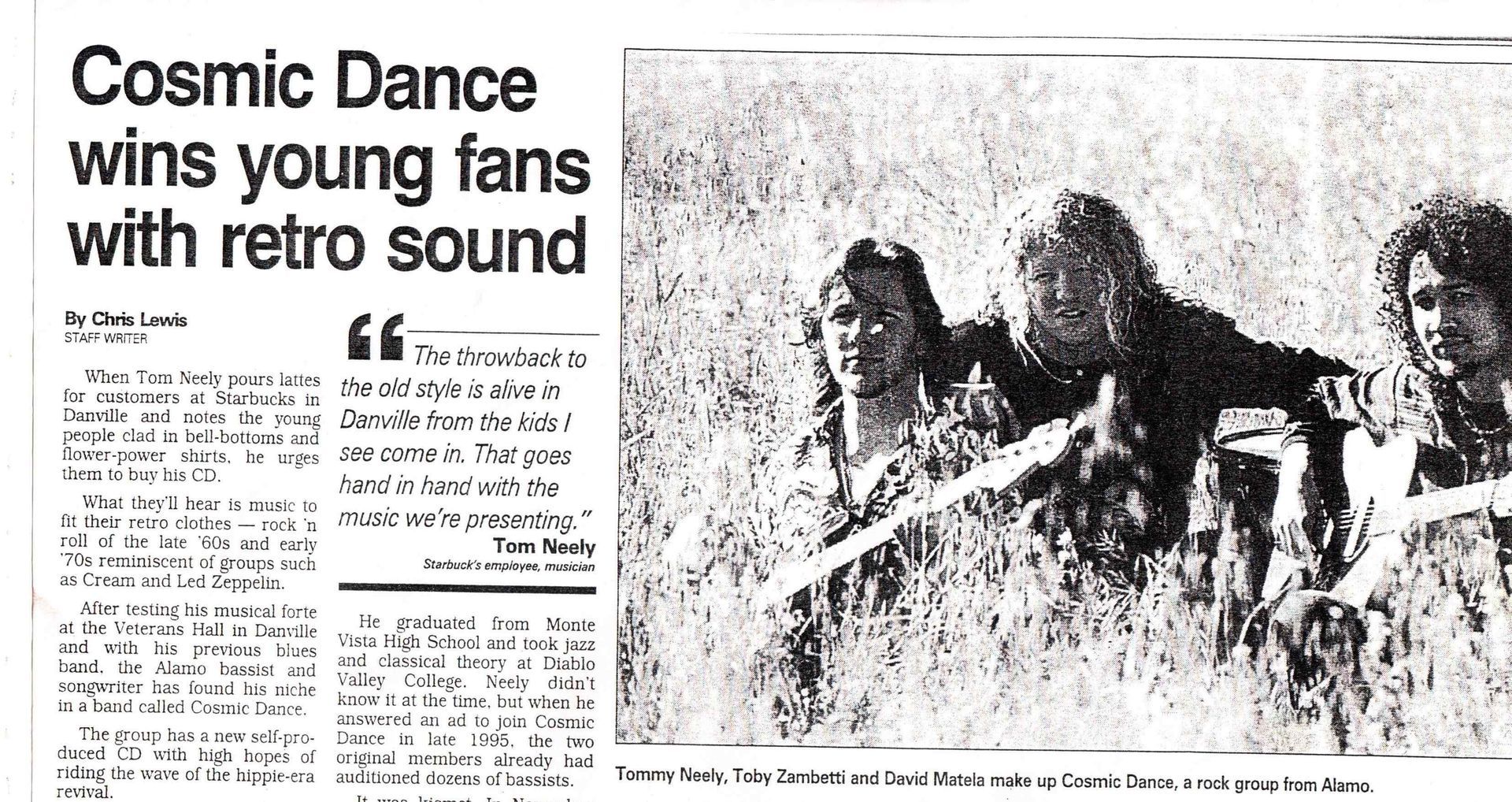
The Independent Music Scene in San Francisco in the 1990s